
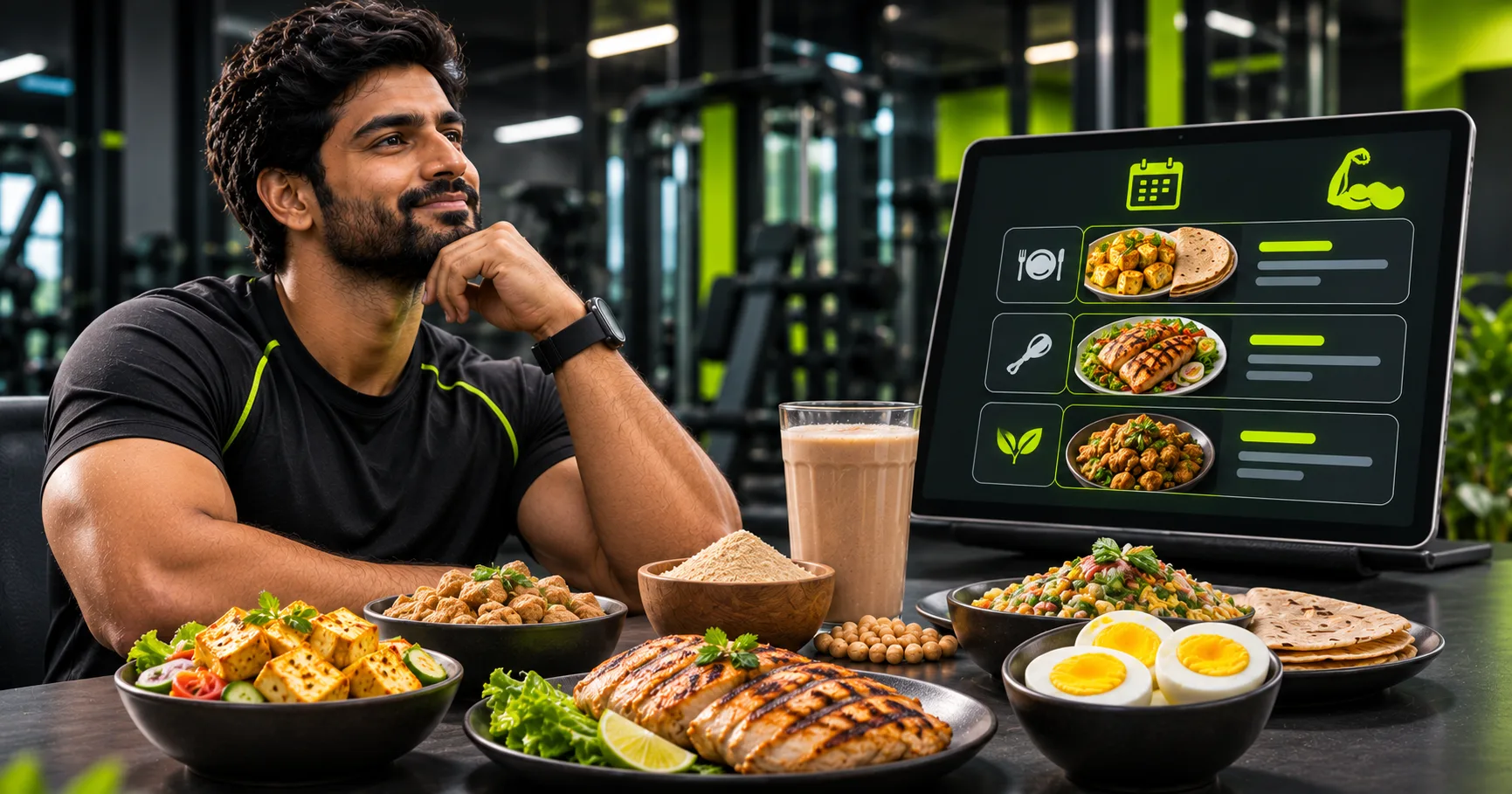
One of the greatest cultural battles in the Indian fitness industry happens in the kitchen. For decades, Western fitness literature—dominated by American bodybuilding dogmas—dictated an unyielding dietary template: skinless chicken breast, canned tuna, boiled broccoli, egg white omelets, and brown rice. When gym trainers impose this bland, culturally alien dietary regime on Indian gym members, failure is practically guaranteed within two weeks.
India is a nation of immense dietary diversity, where over 40% of the population adheres strictly to vegetarianism, millions observe Jain dietary restrictions (no root vegetables, onions, or garlic), and millions more follow religious fasting schedules (such as Navratri or Shravan). Furthermore, traditional Indian cooking is celebrated for rich spices, aromatic curries, and communal family meals. Forcing an Indian software engineer or working mother to eat boiled, unseasoned food alienates their family, destroys dining joy, and causes total dietary collapse. Achieving world-class physique transformations requires mastering the Desi Macro-Balancing Framework: hitting optimal protein and energy targets using accessible, delicious, and culturally authentic Indian staples.
The Protein Dilemma in the Traditional Indian Diet
To design effective nutrition programs, coaches must diagnose the nutritional realities of traditional Indian eating habits. Traditional Indian home meals are heavily carbohydrate-dense and fat-heavy, while chronically protein-deficient.
Consider the classic Indian thali: three large chapatis (wheat flour), a mountain of white rice, potato-cauliflower sabzi cooked in generous mustard oil or ghee, and a small bowl of yellow dal. A typical member believes: 'I eat dal every day, so I get plenty of protein.'
Nutritional science exposes the fallacy: one standard cooked katori (150g) of yellow toor or moong dal contains barely 6 to 7 grams of protein, accompanied by over 20 grams of carbohydrates and 120 calories. To achieve a modest athletic protein intake of 120 grams purely from dal, an individual would need to consume 18 bowls of dal daily—ingesting over 2,200 calories of pure carbohydrates! Dal is an exceptional complex carbohydrate and micronutrient source, but it is physiologically impossible to use as a primary athletic protein source without causing severe caloric surplus.
Nutritional Comparison: The Ultimate Desi Protein Guide
Here is an empirical comparison of common Indian protein sources across protein density, caloric cost, and biological value:
| Desi Food Source | Serving Size | Protein (g) | Fat (g) | Carbohydrates (g) | Total Calories | Bio-Availability & Amino Profile |
|---|---|---|---|---|---|---|
| Soya Chunks (Defatted) | 50g (dry) | 26.0g | 0.5g | 16.5g | 172 kcal | PDCAAS 1.0; complete amino acid profile; cost-effective. |
| Low-Fat Paneer / Cottage Cheese | 100g | 18.0g | 2.0g | 3.0g | 102 kcal | Rich in slow-digesting casein; exceptional for evening satiety. |
| Regular Dairy Paneer | 100g | 14.0g | 22.0g | 4.0g | 270 kcal | High protein, but heavy in saturated fat; watch caloric budget. |
| Sattu (Roasted Bengal Gram) | 50g | 11.5g | 3.0g | 32.0g | 205 kcal | High fiber complex carbohydrate; great pre-workout fuel. |
| Whole Eggs (Boiled) | 3 Large | 18.0g | 15.0g | 1.5g | 215 kcal | Highest biological value (BV 100); complete essential aminos. |
| Chicken Breast (Skinless) | 150g (raw) | 33.0g | 3.5g | 0.0g | 165 kcal | Ultra-dense lean protein; near-zero carbohydrates. |
The Step-by-Step Blueprint to Designing High-Adherence Desi Meal Plans
Building an authentic, enjoyable Indian fitness diet requires applying four fundamental macro-structuring rules.
Rule 1: Master the Vegetarian Protein Foundation (Soya + Low-Fat Dairy)
For vegetarian lifters seeking to hit 120g to 150g of daily protein on a caloric deficit, Defatted Soya Chunks are the ultimate superfood. Soya chunks contain 52% pure protein by weight, are 100% cholesterol-free, and cost barely ₹40 per 200g box. Dispel the outdated myth of soy isoflavones causing estrogen spikes; clinical meta-analyses confirm that consuming 30g to 60g of daily soy protein has zero negative hormonal impact on male testosterone.
Pair soya with Low-Fat Paneer (available across major Indian dairy brands like Amul, Mother Dairy, and Nandini). Unlike traditional whole-milk paneer—which packs 22g of fat for every 14g of protein—low-fat paneer delivers 18g of pure protein with only 2g of fat, allowing vegetarian members to stay lean without sacrificing taste.
Rule 2: Harness Sattu as an Athletic Pre-Workout Superfood
Sattu (roasted chana flour, traditional to Bihar and Uttar Pradesh) is revered as rural India's original superfood. While it should not be treated as a pure protein isolate (due to its 60% carbohydrate content), it is an exceptional Sustained-Release Energy Drink. Mixing 40g of sattu with chilled water, roasted cumin powder (jeera), black salt (kala namak), and fresh lemon juice creates a refreshing, low-glycemic pre-workout elixir that sustains intense muscular stamina for 90 minutes without blood sugar crashes.
Rule 3: Implement Strategic Cooking Oil Modulation
In Indian home cooking, the hidden calorie bomb is rarely the food itself—it is the excessive cooking oil used in tadkas and curries. A single tablespoon of mustard oil, refined oil, or desi ghee packs 120 calories of pure fat. When home cooks pour oil freely from a bottle, a simple sabzi can easily absorb 400 excess calories.
Educate members to switch to a Pressurized Oil Spray Dispenser. Spraying 4 to 5 pumps provides complete pan lubrication using less than 2 grams of oil (under 20 calories), instantly cutting 300 to 500 hidden calories from their daily intake without altering the rich flavor of Indian spices.
Rule 4: Structure the 130g Vegetarian Desi Day (Sample Blueprint)
Here is an authentic, highly delicious 1,750-calorie high-protein Indian vegetarian daily menu: - Breakfast (32g Protein): 30g Whey Protein stirred into 1 bowl of warm oats + 1 tbsp chia seeds and 5 crushed almonds. - Lunch (35g Protein): 100g Grilled Low-Fat Paneer cooked with bell peppers, onions, and garam masala + 1 whole wheat roti + 1 large bowl of mixed cucumber-tomato kachumber salad. - Evening Pre-Workout (14g Protein): 40g Sattu Sharbat with black salt and lemon + 1 apple. - Dinner (38g Protein): 50g Soya Chunks cooked in rich home-style tomato-onion curry + 1 small katori brown or white rice + 1 cup low-fat hung curd (dahi). - Total Macros: ~120-130g Protein | ~160g Carbs | ~45g Fat | ~1,750 Calories.
Delivering Desi Meal Plans via the Gympify Coaching App
Empower your nutrition coaches to prescribe authentic desi meal templates directly through the Gympify Mobile App. Clients can easily log their roti counts, track their dahi bowls, swap paneer for tofu or chicken with one tap, and celebrate steady, sustainable fat loss while eating food their grandmothers would proudly recognize.
Key Operational Takeaway
Forcing Indian gym members onto bland, unsustainable Western diets is the leading cause of dietary failure and gym churn. Mastering culturally authentic Desi nutrition—optimizing soya chunks, low-fat paneer, sattu, and cooking oil modulation—empowers members to achieve phenomenal physique transformations while loving their food. To equip your coaching team with digital Indian meal planners and macro tracking tools, explore Gympify's nutrition modules or request an operational consultation today.
Related Operational Guides
Accelerate your gym's client results and nutritional coaching with these interconnected resources:
- Nutrition Coaching as a Standalone Revenue Stream: Package and monetize dietary consultation subscriptions.
- Front-Desk Retail & Supplement POS: Provide members with certified authentic whey protein isolates.
- The First 45 Days: The Ultimate Retention Playbook: Integrate early dietary guidance into new member onboarding.
Frequently Asked Questions
Does eating soya chunks increase estrogen or cause gynecomastia in men?
No. Extensive clinical studies and meta-analyses conclusively show that phytoestrogens (isoflavones) in soya do not act like human estrogen and have zero negative impact on male testosterone, fertility, or breast tissue when consumed in normal dietary amounts (30g to 60g daily).
Can sattu be used as a primary post-workout protein supplement?
Sattu is a nutritious whole food, but it is predominantly a carbohydrate source (60% carbs, 20% protein). Consuming 50g of sattu delivers only 10g of protein alongside 30g of carbs. It is an exceptional pre-workout energy fuel, but insufficient on its own for post-workout muscle repair compared to whey, eggs, or soya.
How can vegetarian members hit 130g of protein without whey protein powder?
While whey protein makes hitting targets convenient, vegetarians can achieve 130g of daily protein through whole foods by combining 50g defatted soya chunks (26g protein), 150g low-fat paneer (27g protein), 300g low-fat dahi (12g protein), roasted chana snacks, and sprouted legumes.
Is desi ghee healthy for bodybuilding and fat loss?
Desi cow ghee contains beneficial fat-soluble vitamins (A, D, E) and butyric acid for gut health. However, ghee is pure fat: 1 tablespoon contains 120 calories. For fat loss, ghee must be strictly measured and limited to 1 to 2 teaspoons daily to avoid caloric surplus.